
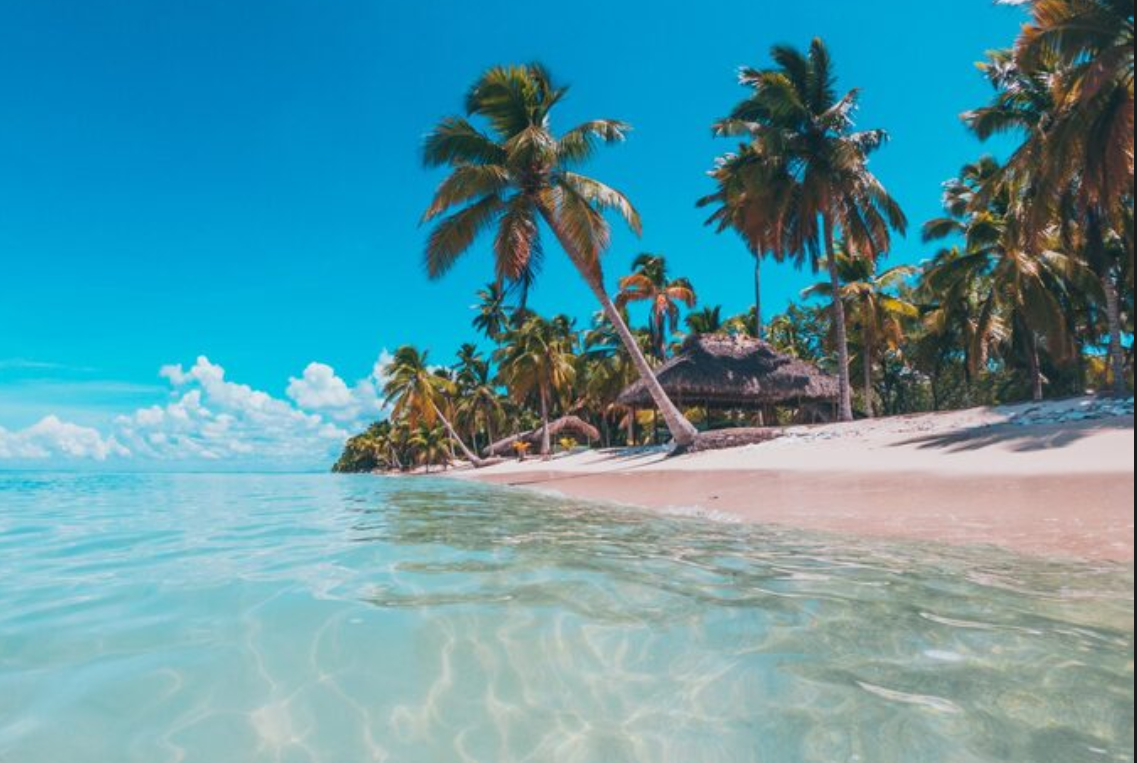
The Caribbean has long been one of the world's most desirable travel regions, attracting millions of visitors each year with its warm climate, turquoise waters, rich cultural heritage, and diverse landscapes. While many travelers associate the Caribbean primarily with beach vacations, the region offers far more than sun and sand. From rainforests and historic cities to culinary traditions and outdoor adventures, Caribbean tourism continues to evolve as visitors seek more authentic and meaningful experiences.
For travelers planning their next tropical getaway, understanding the variety of experiences available across the Caribbean can help create a more rewarding and memorable journey.
Why the Caribbean Remains a Top Travel Destination
The Caribbean consists of more than 7,000 islands, islets, reefs, and cays spread across a vast area of the Atlantic Ocean and the Caribbean Sea. This diversity gives travelers access to a wide range of destinations, each with its own culture, history, and natural attractions.
One of the region's greatest strengths is its accessibility. Numerous international airports, cruise ports, and direct flights make it relatively easy for visitors to reach many Caribbean destinations. Combined with year-round warm temperatures, the Caribbean continues to appeal to travelers seeking relaxation, adventure, and cultural exploration.
Another key factor is the variety of experiences available. Whether visitors are interested in diving, hiking, historical tourism, culinary travel, or family vacations, there is a Caribbean destination suited to nearly every travel style.
The Natural Beauty That Defines the Caribbean
Beaches and Coastal Landscapes
The Caribbean's beaches remain one of its most recognizable attractions. Visitors can find everything from long stretches of white sand to dramatic black-sand volcanic beaches. Crystal-clear waters provide ideal conditions for swimming, snorkeling, paddleboarding, and sailing.
Many islands are surrounded by coral reefs that support vibrant marine ecosystems. These reefs not only attract divers and snorkelers but also play an important role in protecting coastlines and supporting local biodiversity.
Rainforests and Mountains
Although beaches often receive the most attention, many Caribbean islands feature impressive inland environments. Mountain ranges, waterfalls, and tropical rainforests create opportunities for eco-tourism and outdoor recreation.
Hiking trails can lead travelers through lush vegetation, scenic overlooks, and unique wildlife habitats. Some islands feature dormant volcanoes, cloud forests, and protected nature reserves that offer a completely different perspective from the coast.
Marine Wildlife Encounters
Marine tourism has become an important part of the Caribbean travel experience. Visitors can observe sea turtles, tropical fish, dolphins, rays, and other marine species in their natural habitats.
Responsible wildlife tourism practices have gained increasing attention as destinations work to balance tourism growth with environmental conservation. Travelers are encouraged to choose operators that follow sustainable guidelines and prioritize the protection of marine ecosystems.
Cultural Experiences Across the Islands
A Blend of Global Influences
The Caribbean's cultural identity has been shaped by Indigenous peoples, European colonization, African heritage, and migration from Asia and the Middle East. This blend of influences is reflected in the region's languages, architecture, music, festivals, and traditions.
Travelers can explore colonial-era towns, visit museums, attend local festivals, and learn about the historical events that shaped modern Caribbean societies. These experiences provide valuable context beyond the typical resort environment.
Music and Festivals
Music plays a central role throughout the Caribbean. Genres such as reggae, calypso, soca, salsa, merengue, and dancehall have achieved international recognition while remaining deeply connected to local culture.
Festivals are often among the most vibrant travel experiences available in the region. Colorful parades, live performances, traditional costumes, and community celebrations offer visitors an opportunity to engage directly with local traditions.
Local Art and Craftsmanship
Many Caribbean destinations support thriving artistic communities. Travelers can discover handmade crafts, paintings, sculptures, textiles, and jewelry that reflect regional heritage and creativity.
Purchasing locally made products not only provides meaningful souvenirs but also helps support local economies and independent artisans.
Caribbean Food Tourism Is Growing
Food has become one of the fastest-growing segments of Caribbean tourism. Travelers increasingly seek authentic dining experiences that showcase local ingredients and traditional cooking techniques.
Signature Caribbean Flavors
Caribbean cuisine varies significantly between islands, but several themes connect the region's culinary traditions. Fresh seafood, tropical fruits, root vegetables, rice, beans, and flavorful spices are commonly featured.
Recipes often reflect the blending of African, European, Indigenous, and Asian culinary influences. As a result, visitors can experience a remarkable diversity of flavors during a single trip.
Food Markets and Local Restaurants
Exploring local markets provides insight into daily life and regional food culture. Fresh produce, spices, baked goods, and traditional dishes allow visitors to experience authentic flavors while interacting with local vendors.
Many travelers also seek family-owned restaurants that serve regional specialties passed down through generations. These establishments often provide a more immersive cultural experience than international dining chains.
Culinary Souvenirs
Food-related souvenirs have become increasingly popular among visitors who want to bring a taste of the Caribbean home. Products such as locally produced coffee, spices, sauces, and sweets are common choices.
Some travelers also purchase Puerto Rican gift baskets featuring a selection of regional products that showcase local flavors and traditions. Similarly, specialty beverages such as Puerto Rican tea have gained interest among visitors looking for unique cultural products connected to their travel experiences.
Adventure Tourism Beyond the Resort
Water-Based Activities
The Caribbean's warm waters create ideal conditions for numerous recreational activities. Snorkeling and scuba diving remain among the most popular options, allowing visitors to explore coral reefs, shipwrecks, and underwater ecosystems.
Other popular activities include kayaking, windsurfing, kitesurfing, deep-sea fishing, and sailing excursions. These experiences help travelers connect with the region's natural environment while enjoying active recreation.
Hiking and Nature Exploration
Adventure travelers increasingly seek experiences beyond traditional beach tourism. Hiking trails, cave systems, waterfalls, and national parks provide opportunities to explore less-visited parts of the islands.
Guided eco-tours often combine outdoor activities with educational experiences focused on local ecosystems, conservation efforts, and regional biodiversity.
Sustainable Tourism Activities
Many Caribbean destinations have embraced sustainable tourism initiatives designed to protect natural resources while supporting local communities.
Visitors may participate in conservation programs, community-based tourism projects, and environmentally responsible excursions that promote long-term sustainability. These experiences often create deeper connections between travelers and the places they visit.
Family-Friendly Travel in the Caribbean
The Caribbean remains a popular destination for family vacations due to its combination of outdoor activities, cultural attractions, and resort infrastructure.
Many destinations offer family-oriented accommodations with kid-friendly amenities, educational programs, and organized activities. Beaches with calm waters, wildlife encounters, and cultural attractions provide entertainment for travelers of all ages.
Parents often appreciate the opportunity to combine relaxation with educational experiences that introduce children to new cultures, ecosystems, and historical perspectives.
Planning a Successful Caribbean Vacation
Choosing the Right Island
Selecting the right destination depends largely on travel goals. Some islands are known for luxury resorts and beaches, while others excel in eco-tourism, cultural experiences, or outdoor adventure.
Travelers should consider factors such as transportation options, available activities, accommodation styles, and seasonal weather patterns when planning their trip.
Understanding Seasonal Travel
The Caribbean experiences tourism fluctuations throughout the year. Peak travel periods often coincide with winter months when many visitors seek warmer weather.
Traveling during shoulder seasons may provide advantages such as lower costs, fewer crowds, and greater availability of accommodations and activities.
Respecting Local Communities
Responsible tourism contributes to positive experiences for both visitors and residents. Supporting local businesses, respecting cultural traditions, and following environmental guidelines help ensure that tourism benefits communities while preserving the region's unique character.
The Future of Caribbean Tourism
Caribbean tourism continues to evolve as travelers seek experiences that combine relaxation, culture, adventure, and sustainability. While beautiful beaches remain a major attraction, today's visitors increasingly value authentic connections with local communities, environments, and traditions.
This shift has encouraged destinations throughout the region to diversify their tourism offerings, highlighting cultural heritage, ecological conservation, culinary tourism, and outdoor recreation. As a result, the Caribbean offers far more than a traditional beach vacation.
For travelers willing to explore beyond the shoreline, the region provides a rich blend of natural beauty, cultural diversity, and memorable experiences that continue to make it one of the world's most compelling travel destinations.
