
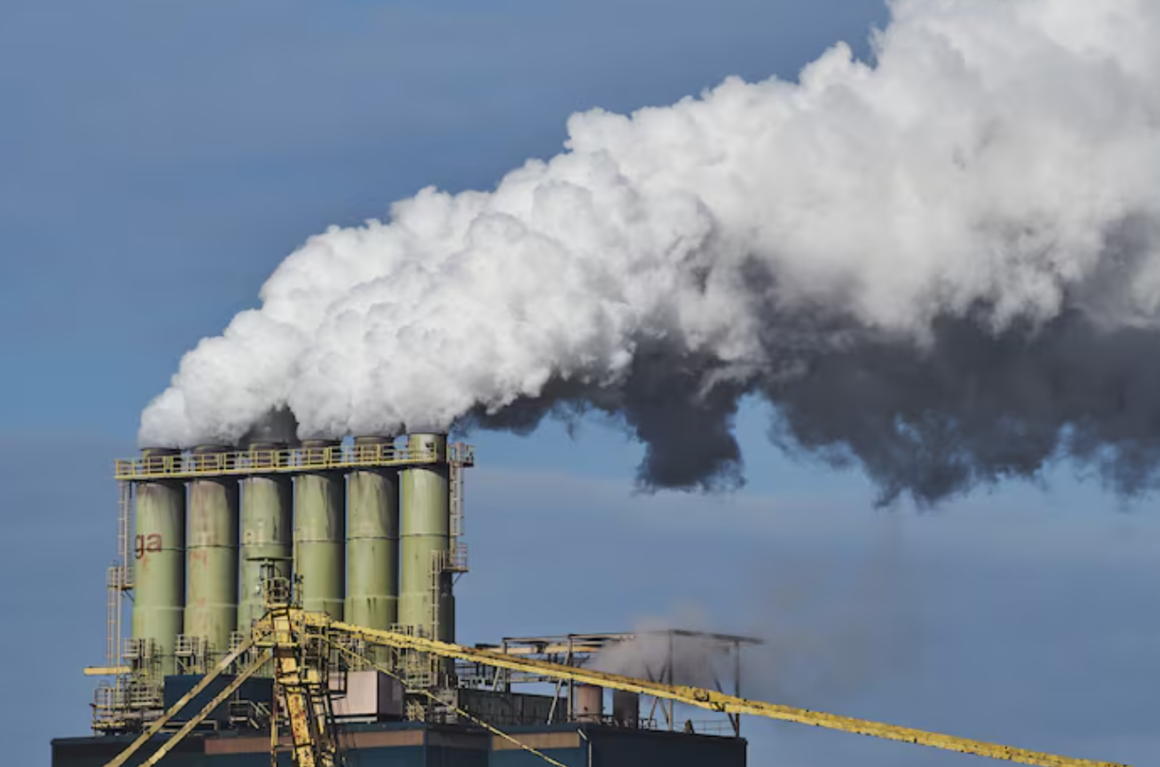
Manufacturing has become increasingly dependent on precision, consistency, and resource optimization. Across industries such as automotive, aerospace, electronics, healthcare, food processing, and metal fabrication, production systems are expected to deliver high-quality products while reducing waste, lowering emissions, and maximizing operational efficiency. Among the many technologies that support these objectives, high-performance industrial gases play an essential yet often overlooked role.
Industrial gases contribute to a wide variety of manufacturing processes, including welding, cutting, heat treatment, chemical synthesis, inerting, cooling, packaging, and additive manufacturing. Their purity, composition, and delivery characteristics directly influence product quality, equipment performance, workplace safety, and production costs. As manufacturing technologies become more sophisticated, the demand for reliable and high-purity gases continues to grow.
Understanding High-Performance Industrial Gases
Industrial gases are gaseous substances produced for use in industrial applications. Common examples include oxygen, nitrogen, argon, carbon dioxide, hydrogen, helium, and specialty gas mixtures. High-performance industrial gases are distinguished by their controlled purity levels, consistent composition, and suitability for demanding industrial environments.
The required gas specifications depend on the intended application. Semiconductor manufacturing, for example, requires extremely high purity gases because even microscopic contaminants can damage electronic components. Metal processing operations require gases that maintain stable chemical properties to ensure consistent welds and material characteristics.
Careful quality control throughout production, storage, transportation, and distribution helps preserve gas integrity before it reaches manufacturing facilities.
The Importance of Gas Purity
One of the defining characteristics of high-performance industrial gases is purity. Impurities may introduce unwanted chemical reactions, affect production consistency, or damage sensitive equipment.
High-purity gases help manufacturers achieve:
- Better product consistency
- Improved process repeatability
- Reduced defect rates
- Longer equipment life
- Higher production yields
For industries producing precision components, maintaining strict purity standards minimizes costly production errors and reduces the need for rework.
Supporting Precision Manufacturing
Modern manufacturing increasingly relies on highly controlled production environments. Automated equipment, robotics, computer numerical control (CNC) machinery, and advanced monitoring systems require stable process conditions to operate efficiently.
Industrial gases support this precision by providing predictable chemical and physical properties throughout production.
For example, shielding gases used during welding protect molten metal from atmospheric contamination. Without proper shielding, oxidation and porosity may weaken welds and compromise structural integrity.
Similarly, inert gases protect sensitive materials from reacting with oxygen or moisture during manufacturing, preserving product quality and reducing waste.
Enhancing Metal Fabrication Processes
Metal fabrication represents one of the largest applications for industrial gases. Processes including laser cutting, plasma cutting, welding, brazing, soldering, and heat treatment all depend on carefully selected gases.
Welding Performance
Shielding gases create stable welding arcs while protecting molten metal from contamination. Appropriate gas selection can improve:
- Weld penetration
- Arc stability
- Surface appearance
- Mechanical strength
- Productivity
Stable welding conditions also reduce spatter, lowering cleanup requirements and improving manufacturing efficiency.
Laser Cutting Efficiency
Laser cutting systems commonly use oxygen, nitrogen, or compressed air depending on the material and desired finish.
Proper gas selection influences:
- Cutting speed
- Edge quality
- Oxidation control
- Surface finish
- Material utilization
Consistent gas delivery enables manufacturers to maintain tight dimensional tolerances while minimizing production interruptions.
Improving Heat Treatment Operations
Heat treatment modifies the mechanical properties of metals by carefully controlling temperature and atmospheric conditions.
Protective gas atmospheres help prevent oxidation, decarburization, and scaling during heating processes. Nitrogen, hydrogen, argon, and specially formulated gas mixtures create controlled environments that improve surface quality while preserving material properties.
This leads to more consistent hardness, strength, wear resistance, and fatigue performance.
Supporting Additive Manufacturing
Additive manufacturing, often referred to as industrial 3D printing, has introduced new requirements for gas quality.
Many metal printing systems operate within enclosed chambers filled with inert gases that prevent oxidation during powder melting.
Stable gas environments help ensure:
- Uniform layer formation
- Reduced contamination
- Improved mechanical properties
- Better dimensional accuracy
- Higher repeatability
Because additive manufacturing frequently produces complex, high-value components, maintaining precise atmospheric conditions is essential for minimizing defects.
Increasing Energy Efficiency
Manufacturers continuously seek opportunities to reduce energy consumption without sacrificing production capacity.
Industrial gases contribute to energy efficiency in several ways.
Improved combustion processes using oxygen enrichment can increase fuel efficiency in certain industrial furnaces.
Optimized gas-assisted manufacturing processes may shorten production cycles, reducing machine operating time and overall energy consumption.
Efficient cooling systems that rely on industrial gases can also improve thermal management while minimizing process variability.
Together, these improvements support lower operating costs and more sustainable manufacturing practices.
Reducing Waste and Scrap
Manufacturing defects generate unnecessary material waste, increase production costs, and reduce profitability.
High-performance industrial gases improve process stability, which directly reduces scrap rates.
Examples include:
- Cleaner welds requiring less rework
- More precise cutting with reduced material loss
- Better heat treatment consistency
- Improved chemical process control
- Reduced contamination in sensitive manufacturing
Lower defect rates also reduce raw material consumption and improve resource efficiency throughout production.
Supporting Automation
The rapid adoption of automation has transformed manufacturing facilities worldwide.
Automated systems require consistent operating conditions that minimize process variation.
Industrial gases help maintain stable production environments by delivering predictable physical and chemical characteristics.
Automated welding robots, laser cutting systems, pharmaceutical manufacturing equipment, and food packaging lines all depend on reliable gas performance to achieve consistent output over extended production periods.
This consistency enables manufacturers to maximize equipment utilization while reducing unplanned downtime.
Enhancing Workplace Safety
Industrial gases also contribute to safer manufacturing environments when properly managed.
Inert gases reduce fire risks during processes involving combustible materials. Controlled atmospheres may prevent unwanted chemical reactions that could otherwise create hazardous conditions.
Gas monitoring systems help detect leaks and maintain appropriate workplace conditions, while modern storage and handling procedures reduce operational risks.
Employee training, equipment maintenance, and adherence to established safety standards remain essential components of safe gas usage.
Applications Across Multiple Industries
The versatility of industrial gases allows them to support a broad range of manufacturing sectors.
Automotive Manufacturing
Automotive production uses industrial gases for robotic welding, laser cutting, painting, heat treatment, testing, and metal fabrication.
Consistent gas quality supports high-volume manufacturing while maintaining strict quality standards.
Aerospace
Aerospace components often require extremely precise manufacturing processes with minimal defects.
Industrial gases support advanced welding, additive manufacturing, precision machining, and heat treatment required for high-performance materials.
Electronics Manufacturing
Electronic components require exceptionally clean manufacturing environments.
High-purity gases support semiconductor fabrication, electronics assembly, surface treatment, and controlled atmosphere processing where contamination control is essential.
Food Processing
Food manufacturers use gases for modified atmosphere packaging, freezing, cooling, carbonation, and preservation.
Proper gas selection helps extend shelf life while maintaining product quality and reducing food waste.
Pharmaceutical Production
Pharmaceutical manufacturing relies on controlled environments where gas purity directly affects product quality and regulatory compliance.
Specialized gases support sterile production processes, laboratory analysis, and packaging operations.
Environmental Considerations
Sustainability has become a major priority across manufacturing industries.
Although industrial gases themselves are only one component of production systems, they can contribute to environmental improvements by increasing process efficiency.
Higher manufacturing efficiency generally results in:
- Lower material waste
- Reduced energy consumption
- Improved production yields
- Lower emissions per finished product
- Extended equipment lifespan
Manufacturers also continue investing in improved gas recovery technologies, optimized distribution systems, and process innovations that further reduce environmental impacts.
The Importance of Reliable Supply
Even the highest-quality gases provide little value if they are unavailable when production requires them.
Manufacturers often work with an experienced industrial gas supplier to ensure consistent availability, appropriate storage solutions, and reliable delivery schedules that align with production demands.
Reliable supply helps prevent costly production interruptions while supporting inventory optimization and operational planning.
As manufacturing operations become increasingly interconnected and automated, dependable gas logistics become an important part of overall operational resilience.
Future Trends
Several technological developments are expected to increase the importance of high-performance industrial gases in manufacturing.
Growing adoption of additive manufacturing, hydrogen technologies, advanced electronics, battery production, automation, and smart factories will require increasingly precise gas control.
Digital monitoring systems, real-time process analytics, predictive maintenance, and automated gas management technologies are expected to improve efficiency even further.
Manufacturers will continue seeking gas solutions that enhance productivity while supporting sustainability goals and increasingly stringent quality standards.
Conclusion
High-performance industrial gases have become indispensable components of modern manufacturing. Their influence extends far beyond simple process support, affecting product quality, operational efficiency, equipment reliability, workplace safety, and environmental performance.
From precision welding and laser cutting to semiconductor fabrication, pharmaceutical production, and additive manufacturing, carefully controlled gas quality enables manufacturers to meet increasingly demanding technical requirements. As production technologies continue evolving toward greater automation and precision, the role of high-performance industrial gases will only become more significant.
Organizations that recognize the strategic importance of gas quality, purity, process control, and reliable supply are better positioned to improve manufacturing efficiency, reduce waste, maintain consistent product quality, and remain competitive in an increasingly sophisticated industrial landscape.
