
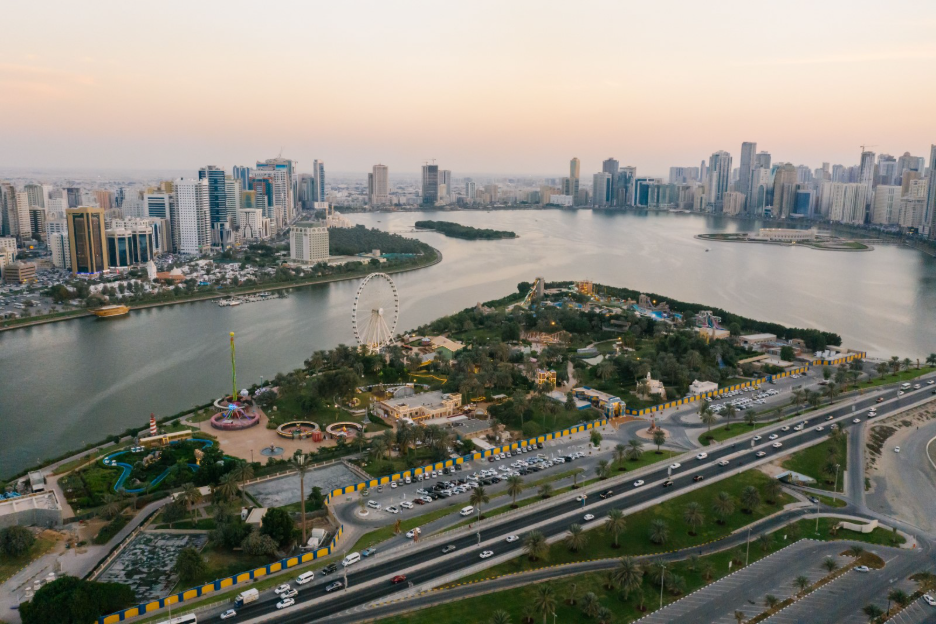
Ask most people planning a UAE trip about Sharjah and you’ll get a shrug. It’s the emirate people drive through, not to. Which is a shame, honestly, because it’s sitting right there next to Dubai holding a title most visitors never hear about: UNESCO’s Cultural Capital of the Arab World.
That’s not a marketing label. Sharjah has more preserved heritage sites than Dubai and Abu Dhabi combined, a fact that surprises almost everyone the first time they hear it. Add mountains, mangroves, beaches on two different coastlines, and a noticeably calmer pace than its flashier neighbour, and you’ve got a genuine case for a standalone trip, not just a layover. Basing yourself at a 5 Star Hotel in Sharjah makes it easy to actually settle in rather than treat the emirate as an afternoon detour.
The Culture Isn’t a Side Dish Here
In Dubai, museums often feel like an optional add-on to the shopping and skyline. In Sharjah, they’re the main event. The Sharjah Museum of Islamic Civilization alone is worth a half day, exhibits spanning two floors cover everything from textiles to scientific instruments from across Islamic history.
Then there’s Al Noor Mosque, notable for being one of the first in the city to welcome non-Muslim visitors inside, with guided tours that actually explain the architecture and the reasoning behind it rather than just walking you through in silence.
Water, Right in the Middle of the City
Khalid Lagoon sits close to the Blue Souk, and it’s one of those spots that photographs well but feels even better in person, especially around sunset. Grab a seat at one of the cafés along the water and you’ll catch the evening fountain show, the third tallest in the world, with jets reaching around 100 metres.
It runs daily in the evenings, and unlike a lot of “attractions,” it’s genuinely free to just sit and watch. No ticket, no rush.
A Different Kind of Shopping Trip
The Blue Souk, Sharjah’s Central Market, is a proper haggling market, gold, rugs, textiles, the works. It’s less polished than Dubai’s malls, and that’s the appeal. You’re buying from someone, not a brand, and the negotiation is half the experience.
A recent overview from Viator’s Sharjah travel guide notes that culture lovers tend to gravitate toward the museums in the Heart of Sharjah quarter, while outdoor types head for the desert and its archaeological sites, a split that says a lot about how much range this one emirate actually covers.
Worth Knowing Before You Go
Sharjah is dry, meaning no alcohol anywhere, hotels included. It’s also the most conservative of the emirates, so dress modestly in public spaces, shoulders and knees covered, nothing too revealing. None of this should put you off, it’s just worth planning around rather than discovering awkwardly on day one.
November through May is the sweet spot weather-wise, cool enough for beach days and long walks without the summer heat working against you.
Beyond the City Itself
Sharjah’s reach extends well past its downtown core. Mleiha, about an hour out, holds archaeological sites dating back thousands of years, genuinely rare access to Bronze Age history without the crowds you’d get at more famous ruins elsewhere. The eastern coastline near Khor Fakkan adds mangroves and quieter beaches into the mix too, a good contrast if you’ve spent the earlier part of your trip in museums and souks.
For a fuller sense of what’s on offer across the emirate, the official Visit Sharjah breaks things down by region, useful if you’re trying to figure out how much ground you can realistically cover in a few days.
A Trip Worth Planning On Its Own Terms
Sharjah doesn’t need to borrow Dubai’s spotlight to be worth visiting. It’s got its own identity, heritage, water, desert, and a noticeably calmer rhythm that a lot of travelers end up preferring once they’ve tried it.
Give it a proper few days rather than a half-day pass-through, and there’s a decent chance it becomes the part of the trip you talk about most when you get home.
