
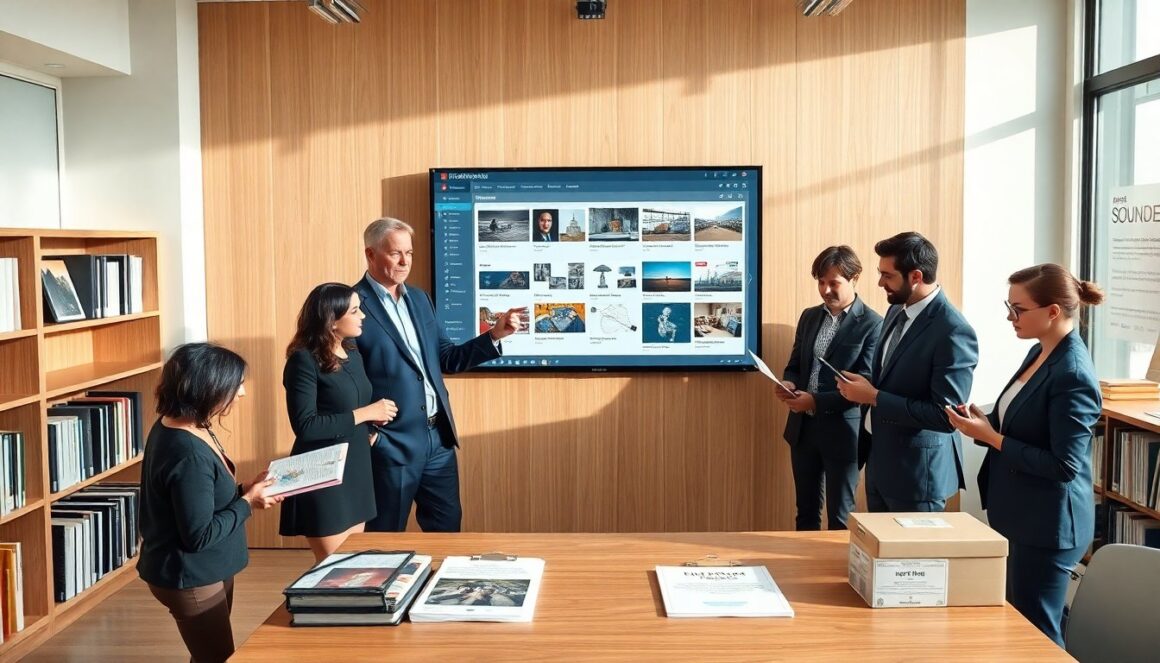
The redwebzine arts archives store thousands of images, articles, and artist dossiers. The archive collects photography, painting, new media, and criticism. It serves students, curators, and writers. This guide explains what the redwebzine arts archives hold and how users can find high-value material fast.
Key Takeaways
- The redwebzine arts archives provide extensive collections of images, essays, and artist dossiers that serve students, curators, and writers with high-value, lesser-known and established artworks.
- Users can efficiently search the redwebzine arts archives using filters for medium, date, and region, and explore curated thematic tours and bulk downloads for research or teaching.
- Advanced search features include metadata fields, date ranges, Boolean operators, and cross-referencing to enhance research precision within the archive.
- Notable features of the redwebzine arts archives include a digital exhibition viewer, standout collections like experimental photography, and oral histories that enrich context around artworks.
- The archive supports ethical use by offering clear usage rights, citation tools, and permission protocols for educators, curators, and writers sharing or reproducing materials.
- The redwebzine arts archives function as both a discovery engine and research library, making overlooked art visible and helping track exhibition histories and visual trends over time.
What The RedWebzine Arts Archives Contain And Why They Matter
The redwebzine arts archives contain exhibition catalogs, essays, artist interviews, and high-resolution images. The archive stores born-digital files and scanned print material. It indexes press releases and event flyers. The archive logs provenance, exhibition history, and publication dates. The archive matters because it preserves lesser-known projects alongside work by established artists. Researchers use the redwebzine arts archives to verify dates and attributions. Educators use the archive to build course packs. Curators use the archive to trace exhibition lineages. The archive supports open-ended discovery by offering keyword search, subject tags, and curated lists. The archive also links to external resources and artist websites. The redwebzine arts archives make overlooked work visible. The archive so fills gaps in public records. The archive helps users trace visual trends over time.
How To Search, Navigate, And Filter The Archives Effectively
Users start at the archive homepage. They enter a simple term or a full artist name. The search returns results grouped by item type. Users filter results by medium, date, and region. Users sort results by relevance or date. Users open item pages to view metadata and download options. The site displays technical metadata on each item page. Users can save items to a personal list. The archive offers curated pathways for themes and movements. Users can browse these lists for fast context. The archive supports bulk downloads for educators and researchers with permissions. The system displays usage rights clearly on each record. Users should check rights before reuse. The site provides citation text for academic use. The archive updates regularly with new acquisitions. The redwebzine arts archives keep a changelog users can read to track additions.
Advanced Search Tips: Metadata, Date Ranges, And Cross‑Referencing
Users refine a query by adding metadata fields. They limit searches to creator, title, or collection. They apply date-range filters to narrow time spans. They combine filters with Boolean operators for precision. They use exact phrases in quotes to find specific titles. Users cross-reference citations by following linked records. They compare exhibition histories across artist pages. They check provenance notes for alternate titles and dates. They export metadata as CSV for spreadsheet work. They use authority fields to find variant name forms. They consult the changelog to confirm recent edits. They contact the archive team when metadata seems incomplete. The team can update records or point to related holdings. The archive supports persistent identifiers for long-term citation.
Standout Collections, Features, And Notable Artists In The Archive
The redwebzine arts archives highlight several standout collections. One collection focuses on experimental photography from 1990 to 2010. Another collection covers community art projects from multiple cities. The archive features a digital exhibition viewer that simulates gallery layouts. The viewer lets users zoom in on high-resolution work and read wall text. The site curates timed features that pair artists with critical essays. Notable artists in the archive include emerging regional practitioners and known international figures. The archive hosts early-career dossiers that users rarely find elsewhere. The archive also lists oral histories with artists and curators. These interviews add context to works and exhibitions. The redwebzine arts archives offer thematic tours that group related works. Users can follow a tour to explore movements, methods, or social themes. The archive so functions as a research library and a discovery engine.
How To Use Archive Material For Research, Teaching, And Sharing
Researchers cite items from the redwebzine arts archives in publications. They use the provided citation text and persistent identifiers. They download high-resolution images when rights allow. Teachers build course readers from saved lists. They assign primary sources and short readings from the archive. Students analyze images using the viewer and metadata. Librarians request permissions for classroom use through the archive contact form. Curators compile images and press material for proposals. They trace exhibition histories using linked records. Writers embed archive links in online essays and reviews. They check usage rights before embedding. Social media managers use low-resolution preview images to promote events. They always credit the archive and the artist. The archive provides clear instructions for permissions and reproduction. Users follow those instructions to share material legally and ethically.
