
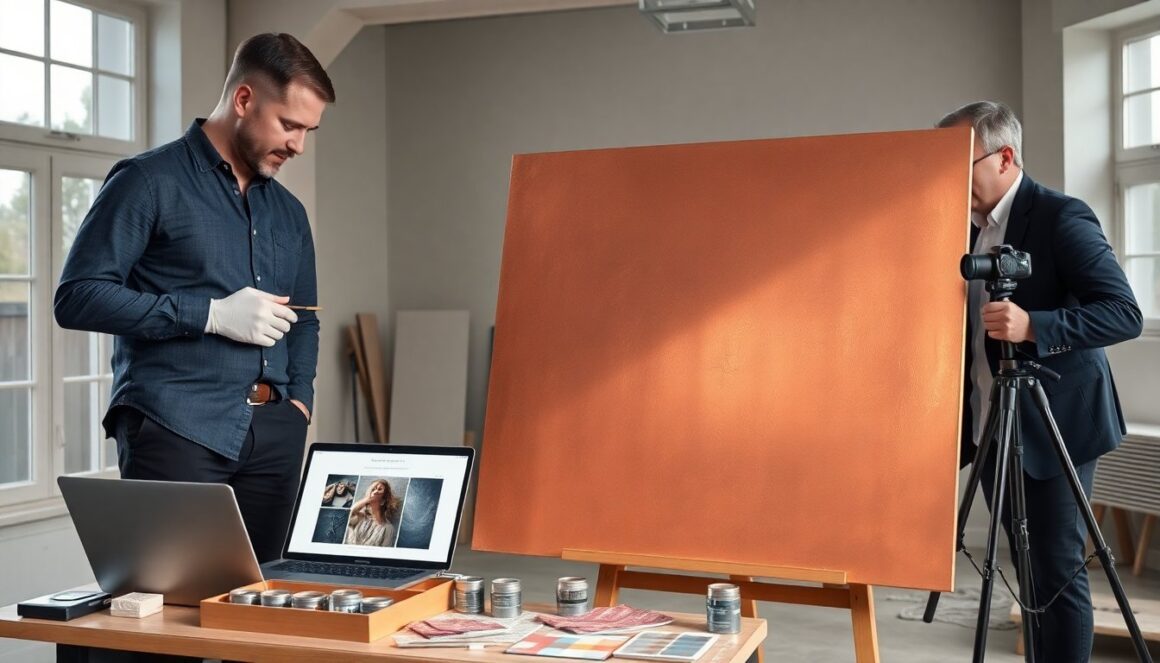
Copper canvas artistic expression redwebzine appears as a focused topic for artists and collectors in 2026. The guide explains why artists pick copper, how they prepare its surface, and how RedWebZine presents these works. It sets clear steps, practical tips, and curation points. The text keeps language simple and direct so readers can apply techniques or improve web presentation quickly.
Key Takeaways
- Copper canvas artistic expression offers a unique warm tone and evolving surface that artists and collectors highly value for its longevity and workability.
- Artists prepare copper surfaces by cleaning, abrading, and applying primers to ensure adhesion, then use varied media like oil paint, inks, and enamels for rich texture and depth.
- RedWebZine showcases copper canvas artworks by emphasizing both visual impact and conceptual clarity through interviews, studio notes, and curated selections.
- Effective online presentation of copper works involves controlled photography, detailed metadata, and SEO strategies to enhance visibility and highlight material qualities.
- Layering techniques on copper leverage its reflectivity with mixed media and protective fixatives to preserve both fragile elements and vibrant colors.
Why Copper Canvas? Material Qualities And Aesthetic Appeal
Artists choose copper for its color, longevity, and workability. The metal offers a warm tone that shifts with light. It resists corrosion in many indoor conditions, and it polishes or patinates for contrast. Copper accepts paint, ink, and solder, so artists vary texture and depth. The metal conducts heat and electricity, which some artists use for kinetic or light installations. Collectors value copper for its surface evolution: the metal changes with handling and environment, and that change becomes part of the artwork’s story.
Techniques For Working With Copper As A Canvas
Artists treat copper like a flexible support. They cut and shape the sheet, then secure it to a frame or panel. They sand or abrade the surface to increase adhesion. They apply primers designed for metal or oil-based grounds. They use oil paint, acrylic, inks, and cold enamel. They also solder or rivet mixed elements to the copper. Artists test adhesion and color on scrap before a final piece. They keep tools clean to avoid contaminating the metal and to maintain consistent results.
Surface Preparation And Patination Methods
Artists clean copper with a mild solvent and a soft cloth. They remove oils and fingerprints to ensure primer bonds. They abrade the surface with fine grit to create tooth. They apply a metal primer or clear coat to prevent discoloration when needed. For patina, they use acids, liver of sulfur, or commercial patina solutions. They test patina colors on scrap and neutralize the chemical once they reach the desired hue. They seal patinas with a clear lacquer or wax to lock in color and reduce further change.
Layering, Mixed Media, And Fixatives
Artists layer paint and media to build depth on copper. They alternate opaque and transparent layers to exploit the metal’s reflectivity. They embed paper, textiles, or found objects with adhesives or rivets. They use archival adhesives that match the materials’ flexibility. They apply fixatives and clear coats to protect fragile media. They choose UV-resistant varnish for pieces that will receive strong light. They allow each layer to cure fully before adding the next to prevent cracking or lifting.
Conceptual Approaches Featured On RedWebZine
RedWebZine highlights artists who use copper as idea and medium. It features political commentary, personal narrative, and material experiments. Editors select works that show how copper alters perception of color and time. The site runs interviews that explain process and intent. It posts studio notes that list materials, techniques, and constraints. Curators on RedWebZine prefer pieces that combine visual clarity with a clear concept. They present works that let viewers read both surface detail and the artist’s message.
Gallery Curation: Presenting Copper Works Online
RedWebZine curators photograph copper works with controlled light and neutral backgrounds. They capture close-ups and context shots to show surface detail and scale. They provide material lists and dimensions in each listing. They use tags and category fields to link to related themes and techniques. They schedule posts to match events and exhibition calendars. They monitor comments and feedback to refine curation. The gallery page keeps a simple layout so the metal surface reads clearly on desktop and mobile.
Photography, SEO, And Metadata For Web Visibility
Photographers shoot copper at oblique angles to reveal texture and sheen. They use color targets to keep white balance accurate. They create multiple image sizes and web-optimized files to speed page loads. RedWebZine writers craft clear titles and alt text that include material, technique, and artist. They place the target keyword early in the title and description to help search. They add structured metadata like creator, date, and medium fields to image files. They link related posts to increase dwell time and improve ranking for copper canvas searches.
