
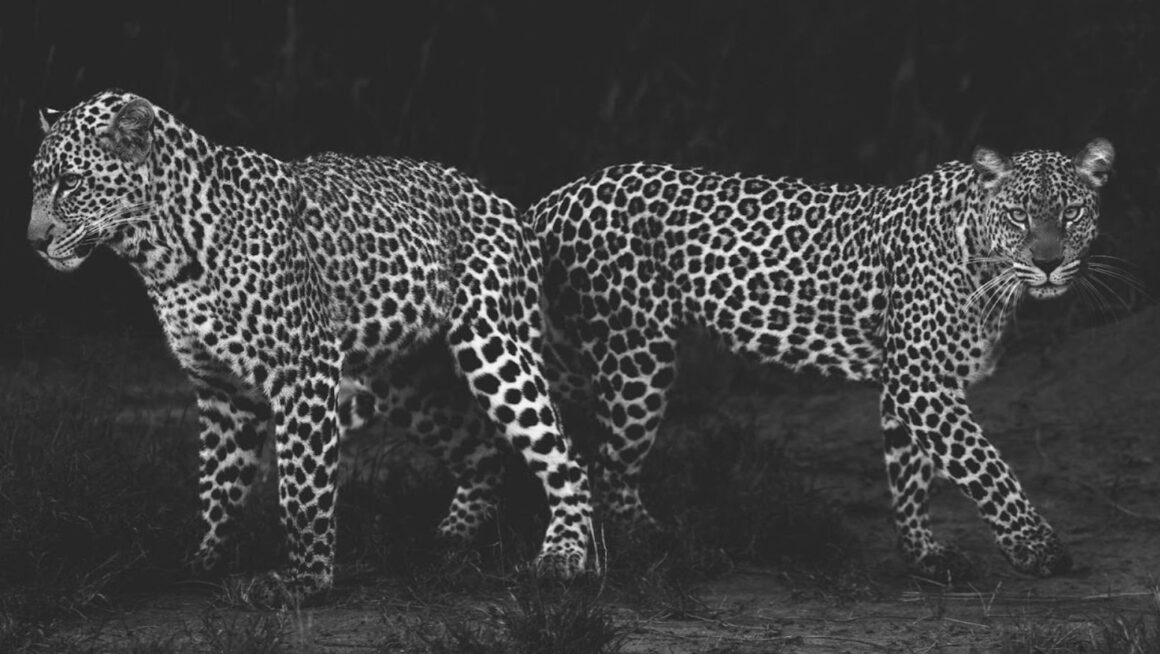
Minimalist interiors are not about emptiness. They are about intention. Every object in a space must justify its presence. In homes defined by natural light, neutral tones, and clean architectural lines, artwork carries particular weight.
This is where monochrome animal photography finds its place.
Without the distraction of color, black and white wildlife imagery introduces depth, texture, and emotional presence while preserving the calm simplicity that minimalist homes are built around.
The Power of Simplicity
Monochrome photography removes excess. It directs attention to light, shadow, form, and expression.
In wildlife imagery, this creates something striking. The texture of an animal’s coat, the subtle shift between highlight and shadow, the quiet intensity of a gaze all become more pronounced. The result feels timeless rather than decorative.
Minimalist interiors rely on balance. Monochrome animal photography enhances that balance by adding contrast without visual chaos.
The Natural Elegance of Giraffes in Contemporary Interiors
Few wildlife subjects carry the same sense of quiet sophistication as the giraffe. Its elongated silhouette, calm posture, and distinctive pattern create a visual rhythm that feels both structured and organic.
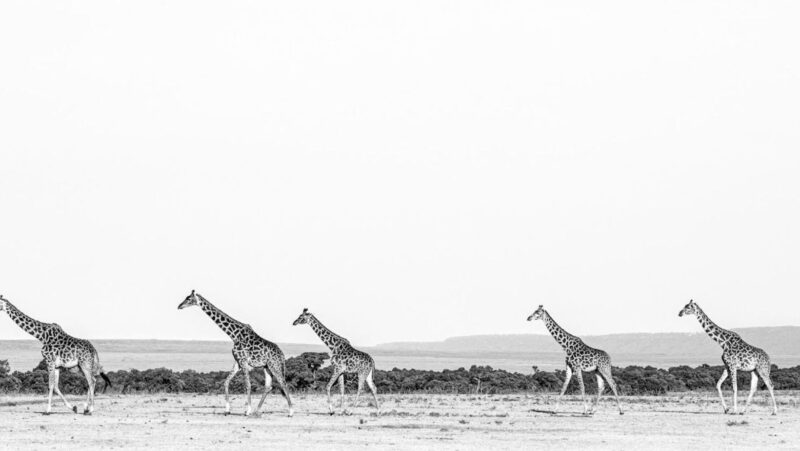
In contemporary interiors, vertical space is often underutilized. Tall walls, stairwells, and open plan living areas benefit from imagery that draws the eye upward. The graceful lines of a giraffe naturally complement these architectural features.
In monochrome, the patterned coat becomes graphic and sculptural rather than decorative. The repetition of shapes adds subtle geometry, while the overall composition remains refined and understated.
For homeowners looking to introduce height and elegance into a minimalist room, carefully selected giraffe wall art can create visual movement while maintaining restraint.
Unlike more intense wildlife portraits, giraffes tend to introduce presence without aggression. Their calm energy aligns beautifully with minimalist design principles where balance matters more than drama.
Texture, Tone, and Emotional Presence
Minimalist design depends heavily on texture. Stone, linen, wood, plaster, and concrete all contribute subtle variation within neutral spaces.
Monochrome wildlife photography adds another layer of texture. Fine tonal gradations bring dimension to an otherwise flat wall. The absence of color allows the eye to explore detail more deeply.
When produced as high quality fine art wildlife prints, the richness of shadow and highlight becomes part of the room’s atmosphere rather than just decoration.
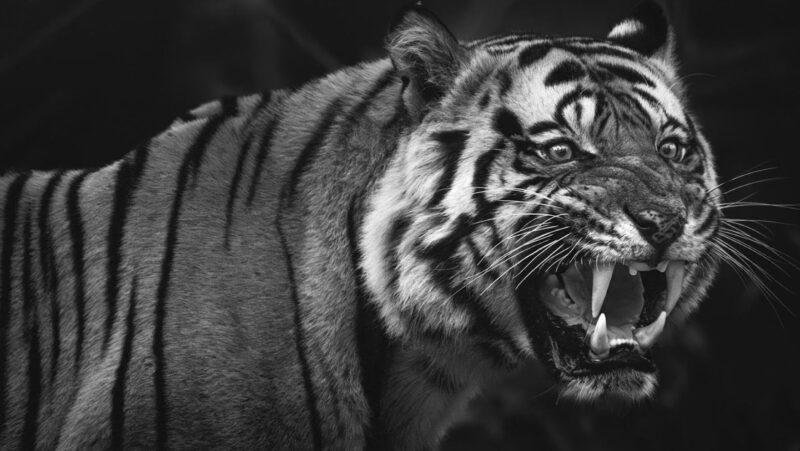
Choosing carefully crafted photography ensures that the artwork complements the space instead of overpowering it.
Creating a Focal Point Without Overpowering the Room
A common hesitation with animal imagery is that it may feel too thematic. In black and white, this concern largely disappears.
A single large scale wildlife portrait can anchor a living room while still feeling contemporary. A pair of smaller monochrome pieces can create quiet rhythm in a hallway or bedroom.
The key is restraint:
- Select one strong subject rather than several competing images
- Allow negative space around the artwork
- Keep framing minimal and cohesive
Thin black frames or natural wood often work best in minimalist environments.
The Timeless Appeal of Monochrome Wildlife Art
Trends in interior design shift quickly. Monochrome art endures.
Black and white wildlife photography does not rely on seasonal color palettes or decorative trends. It integrates seamlessly into evolving spaces. Furniture can change. Textiles can shift. The artwork remains relevant.
Collectors are often drawn to wildlife imagery because of the story behind it. Knowing that a photograph was captured in the wild during an authentic moment adds emotional depth to a room.
When chosen intentionally, monochrome animal photography becomes more than wall decor. It becomes a quiet statement about nature, simplicity, and presence.
Johan Siggesson is a fine art wildlife photographer known for his striking monochrome animal portraits and limited edition wildlife prints. Having spent years photographing Africa’s most iconic species, his work combines technical precision with a deep respect for the natural world. His black and white wildlife photography is collected internationally and displayed in modern homes and gallery spaces.
