
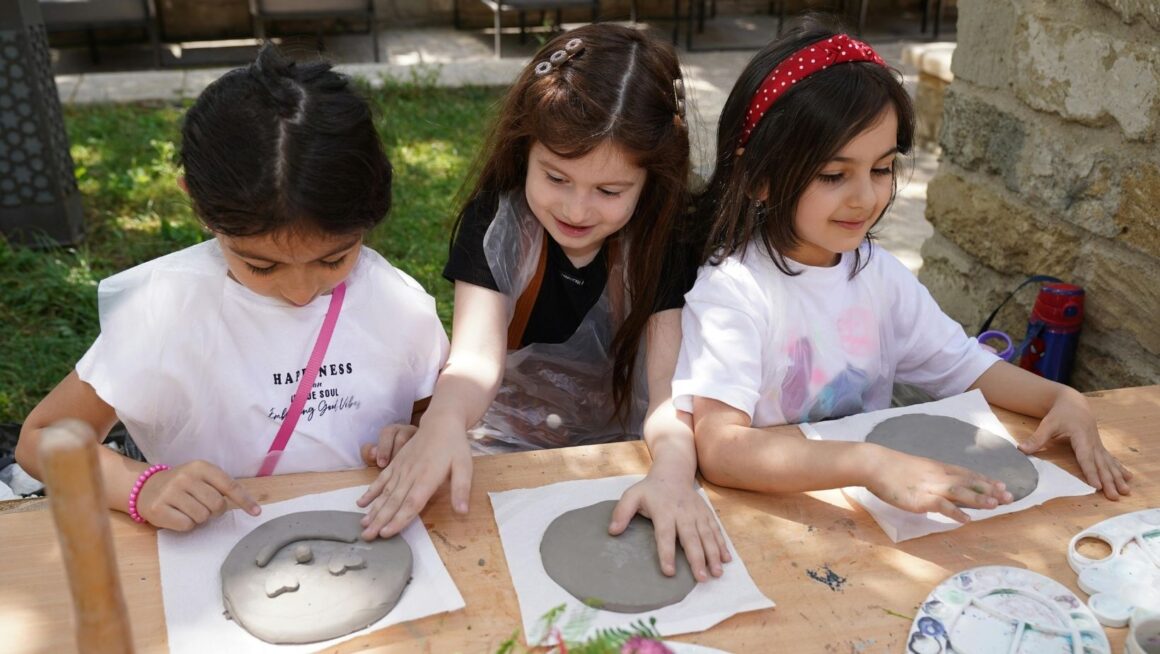
In an era dominated by digital screens and rapid-fire notifications, the human need for tactile, hands-on creation has never been stronger. Whether you are looking to escape the stress of a demanding career, help your child develop essential fine motor skills, or simply find a community of like-minded individuals, art workshops offer a unique sanctuary. Research suggests that engaging in creative behaviors can improve brain function and mental health, with some studies showing that creative activities can lower stress levels by up to 25%.
However, finding the right environment to nurture your talent can be a daunting task. This guide explores the benefits of artistic engagement and provides a roadmap for discovering high-quality creative art workshops that can transform your perspective.
The Psychological Power of the Creative Process
Art is far more than a hobby; it is a fundamental form of cognitive processing. When you participate in a workshop, you aren’t just learning to move a brush or mold clay—you are engaging in a sophisticated method of problem-solving. Experts often refer to the “state of flow,” a psychological phenomenon where an individual becomes so absorbed in a task that time seems to disappear. This state has been shown to reduce cortisol levels (the stress hormone) and trigger the release of dopamine, nature’s natural anti-depressant.
For adults, these workshops provide a “restorative practice” that helps process the chaos of daily experience. For children, the benefits are even more foundational. Creative environments help kids express thoughts and feelings that they may not yet have the vocabulary to articulate, while simultaneously improving problem-solving skills by as much as 30%.
What to Look for in a Workshop
Not all art programs are created equal. When searching for local opportunities, consider the following three pillars of a high-quality creative experience:
1. Expert Instruction and Mentorship
A great workshop is defined by its leaders. Look for programs led by artists who are nationally known in their fields or who have a dedicated background in arts education. The best instructors don’t just teach technique; they empower your unique “voice” and help you navigate the depth of your own creative journey.
2. An Inspiring Environment
The setting of a workshop significantly impacts the output. While storefront studios are convenient, many find that a “natural sanctuary”—such as a studio nestled in a scenic mountain range or a historic village—allows for a deeper connection to the work. Locations like the Orpheum Performing Arts Center in Tannersville, NY, for example, offer state-of-the-art facilities designed by world-renowned architects, providing an atmosphere that honors the gravity of the performing and visual arts.
3. Diversity of Mediums
A well-rounded arts center should offer a spectrum of programming. Whether you are interested in:
- Ceramics and Pottery: Tactile experiences that focus on shape and form.
- Painting and Drawing: Capturing landscapes en plein air or experimenting with abstract intuition.
- Fiber Arts: Exploring the intersection of tradition and modern design.
- Performing Arts: Dance and theater programs that build confidence and physical coordination.
Where to Find Local Art Communities
If you are starting your search from scratch, here are the most effective ways to locate top-tier creative workshops in your region:
Cultural Hubs and Performing Arts Centers
Regional performing arts centers are often the heartbeat of the local creative scene. While many people associate these venues only with live performances, they frequently host community outreach programs and specialized intensives. For instance, the Orpheum Performing Arts Center serves as a vital anchor in the Catskills, bridging the gap between world-class performance and local education.
University and Museum Extensions
Local museums and universities often run “short courses” or weekend workshops. These are excellent for those seeking a more academic or technical approach to art history and fine art techniques.
Online Art Directories and Social Groups
Websites like the SAA (Society for All Artists) or local arts councils maintain directories of tutors and clubs. Additionally, social media groups dedicated to local “Maker” communities can provide word-of-mouth recommendations for “underground” workshops that might not have large advertising budgets.
Making the Most of Your Workshop Experience
Once you’ve found the right class, how do you ensure you get the most out of it?
- Arrive with an Open Mind: Many participants feel the “pressure of perfection.” The goal of a creative workshop is discovery, not necessarily the creation of a masterpiece on day one.
- Engage with Your Peers: One of the primary benefits of a workshop is the community. Art-making is a powerful way to strengthen social fabrics and build lasting friendships.
- Follow the “Look, Listen, and Land” Approach: Many modern programs use this sensory adventure technique—observing nature, tuning into rhythms, and grounding the imagination. It helps in transitioning from a busy “logical” brain to a “creative” one.
The Long-Term Impact of Artistic Investment
Investing in a workshop is an investment in your personal development. Whether you are attending a summer intensive in the mountains or a weekly ceramics class in the city, the skills you learn—patience, observation, and innovation—spill over into every other aspect of your life.
Art retreats and community programs offer more than just a take-home treasure; they provide a tangible memory of a time when you prioritized your own growth and well-being. From the botanical art classes of spring to the cozy fiber arts workshops of winter, there is always an opportunity to begin your journey.
Conclusion
Finding the perfect creative art workshops near you requires a bit of research, but the rewards are life-changing. By seeking out inspiring venues like the Orpheum Performing Arts Center and prioritizing experienced mentors, you can unlock a version of yourself that is more centered, expressive, and connected to the world around you.
Don’t wait for “someday” to explore your creative potential. Check local listings, visit your community arts center, and take that first step into the studio today. Your mind—and your spirit—will thank you.
