
The Economics of Passion: Creator Economy in Gaming Communities
Many creators cultivate such profound trust that their audiences fund increasingly intimate forms of engagement. In certain dedicated circles, this support extends even further — from exclusive content to highly personal items available used panties online, showcasing the remarkable levels of intimacy and trust these digital communities can generate. The same principles of deep relational trust sustain ultra-long-tail markets. Highly specific personalized offerings thrive here because genuine connection replaces the need for mass appeal.
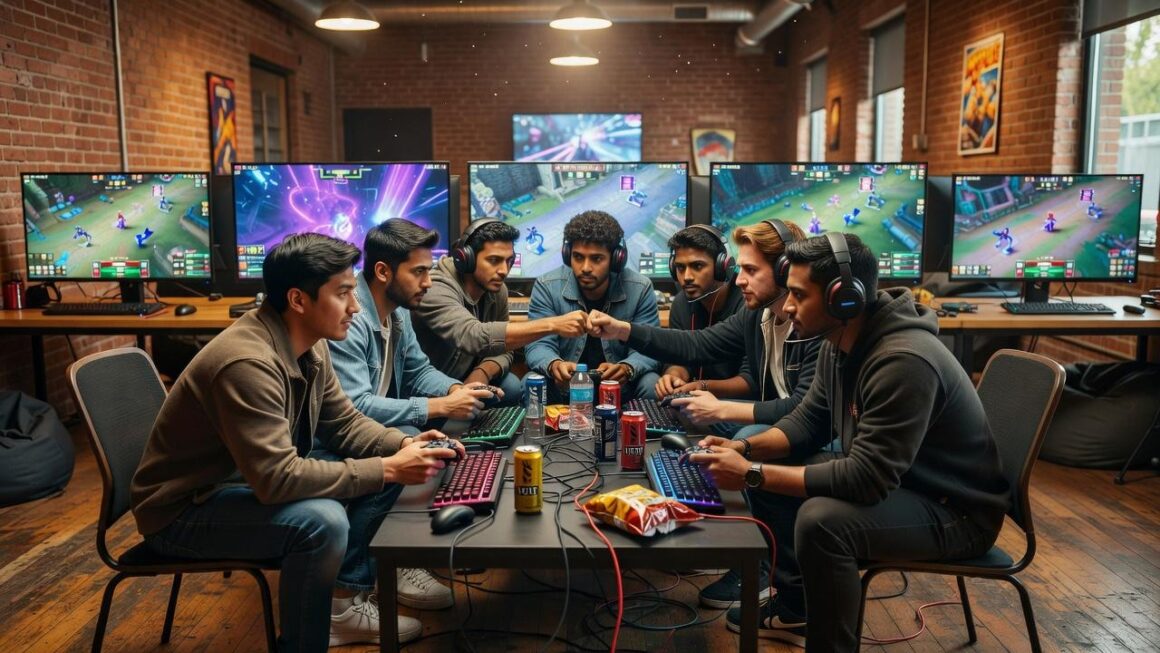
You load a new title after a tough workday. The mechanics engage you, yet the experience feels flat until you enter a voice channel or deep forum thread. Real voices and shared stories transform pixels into something alive. This shift from solitary play to collective passion now sits at the core of modern gaming.
The Evolution of Gaming Communities
Gaming started as private adventures or small LAN gatherings in basements during the late 20th century. Dedicated forums in the 1990s and 2000s let players swap strategies and stories across early internet connections. The 2000s brought MMORPGs that created lasting guilds and clans spanning years of real-time cooperation. Lockdowns during the pandemic supercharged the trend as millions turned to online groups for social contact.
Today community frequently outweighs the game itself for millions of players. They return to specific titles to maintain friendships rather than chase fresh content. By 2026 Discord hosts more than 21 million gaming servers. These represent around 74% of all servers on the service. More than 93% of users actively play games and generate billions of voice chat minutes daily. These networks grew into vast digital ecosystems that ignore geography and time zones.
Dominant Platforms Fueling Connection
Discord operates as the primary real-time hub for coordination and casual hangouts. Reddit delivers structured debate at massive scale. The r/gaming subreddit surpasses 47 million members and remains one of the largest discussion spaces where players analyze patches, share clips, and preserve collective history. Twitch turns gameplay into live performance with direct chat interaction, subscriptions, and emote-driven rituals. Steam Community provides permanent homes for each title through guides, discussions, and workshop content.
These four services complement rather than compete. Gamers move fluidly from a live broadcast on one to organized voice channels on another, threaded arguments on a third, and mod sharing on the fourth. The combined system creates one seamless social layer around nearly every major release.
Communities as Game Development Partners
Developers now treat engaged players as active collaborators instead of passive buyers. Studios run extended betas, monitor feedback channels daily, and ship official modding tools at launch. This loop produces higher quality titles and stronger long-term support.
Hello Games listened to community criticism after the rocky No Man’s Sky launch and delivered years of free updates that transformed the experience. Baldur’s Gate 3 spent extensive time in early access where player input directly shaped companions, balance, and narrative branches. Helldivers 2 captured massive success by incorporating community momentum from announcement through post-launch seasons. Nexus Mods grew into essential infrastructure with more than 65 million users. Modders there revive dead projects, add requested features, and multiply playtime by hundreds of hours. Leading studios now build mod support and feedback systems into projects from day one.
Forging Identity and Culture
Do you remember the first time a niche server or subreddit made you feel instantly understood? Digital communities match players by precise criteria — favorite genres, core values, gender identity, or subcultural focus. Soulslike enthusiasts spend hundreds of hours mapping lore in dedicated theory groups. Speedrunners trade frame-perfect techniques and compete in global marathons that double as social events. Queer gaming spaces offer environments where identity and play intersect safely.
These circles actively build personal identity and support mental health. Members coin slang, spread memes that reach mainstream audiences, and establish annual rituals such as charity speedruns or seasonal competitions. The resulting micro-cultures provide belonging that many find stronger than offline social circles. Players dealing with anxiety or isolation often credit these groups with genuine emotional anchors built on shared passion rather than proximity.
Challenges and the Road Ahead
These same spaces expose persistent problems that demand attention. Toxicity and harassment drive talented players and creators away from hobbies they once loved. Gatekeeping erects invisible barriers based on playtime, skill, identity, or perceived legitimacy. Volunteer moderators face rapid burnout from constant exposure to harmful behavior. Recommendation systems often reward divisive content to maximize engagement time. Corporate decisions sometimes erode the independent spirit that originally defined certain communities.
Clear improvements have already begun. Artificial intelligence will soon handle first-pass moderation and toxicity detection, freeing humans for nuanced situations. Virtual reality environments will create persistent shared spaces where avatars interact with spatial presence that feels closer to physical meetups. Communities will integrate more tightly into actual development pipelines. Future games may let players vote on major features, co-author storylines, or maintain living worlds inside metaverses built around player identity.
The screen stopped acting as a barrier years ago. It became the foundation where millions discover belonging, creative purpose, and genuine partnership. How these digital societies evolve over the next decade will decide whether gaming remains simple entertainment or matures into one of the most significant social structures of our time.
