
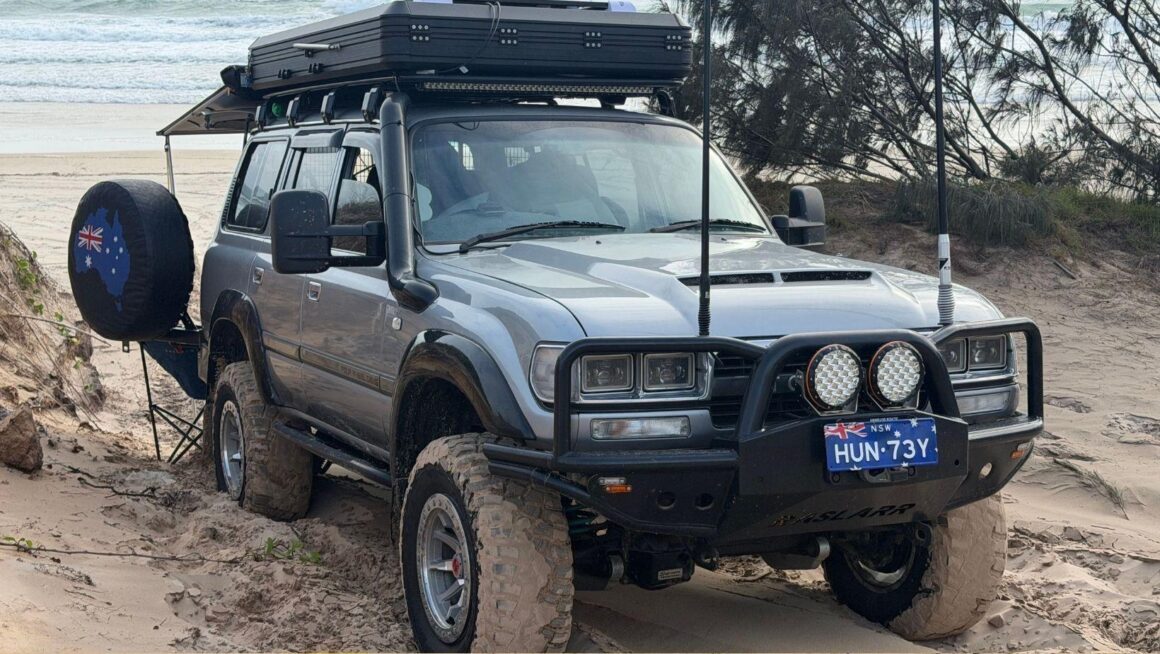
Australia offers some of the most rugged and breathtaking landscapes on the planet, making it the ultimate destination for off-grid touring. The vastness of the Australian continent means that remote travel is not just a weekend hobby; for many, it is a dedicated lifestyle. The desire to explore these isolated locations is at an all-time high. According to recent data from Tourism Research Australia, domestic travellers took a record-breaking 17.3 million caravan and camping trips in 2025 alone, with 87 percent of their nights spent in regional areas. Setting up a 4×4 vehicle that can handle the outback while providing a comfortable base camp requires careful planning, a clear understanding of legal weight limits, and the right accessories.
Establishing a Solid and Safe Foundation
Before adding heavy accessories or complex electrical systems, the base vehicle must be in top mechanical condition. The corrugated dirt roads of the Australian outback are unforgiving on worn suspension components, failing bushes, and tired engines. If you are starting with a secondhand four-wheel drive, it is crucial to perform the essential checks that ensure a safe and reliable used vehicle. Looking closely at structural integrity, evaluating mechanical health, and verifying service history will save you from costly breakdowns hundreds of kilometres from the nearest mechanic. A mechanically sound rig is the absolute prerequisite for any serious touring build.
Managing Weights and Payload Requirements
One of the most critical aspects of any 4×4 build is managing the Gross Vehicle Mass (GVM). For example, pre-September 2022 Toyota LandCruiser 79 Series models feature a factory GVM of around 3,300 kg to 3,400 kg. However, a standard touring build (including a steel bull bar, rear bar, heavy-duty suspension, and recovery gear) can easily consume over 400 kg of your legal payload limit before passengers, water, or fuel are even loaded. Exceeding your vehicle’s GVM on Australian roads is illegal and can void your comprehensive insurance policy instantly. Proper load distribution ensures that steering geometry remains effective and braking distances are kept within safe margins.
To maximise storage without compromising weight distribution, many tourers opt for an aluminium setup on the rear tray. Upgrading an off-road vehicle inherently requires thinking about smart storage solutions, and finding a durable 79 series canopy for sale is often the foundational step for outfitting an iconic Landcruiser. These heavy-duty enclosures protect your 12V fridge slides, dual-battery systems, and slide-out kitchens from harsh outback dust while keeping your gear organised and accessible.
Because premium canopies with internal drawer systems can add 200 kg or more to your kerb weight, many owners choose jack-off style removable canopies. These allow you to leave your heavy camp setup behind at the site, freeing up the vehicle for lighter day trips. However, always be mindful that removing a heavy canopy can alter weight distribution and sometimes cause a 4×4 to exceed its engineered front axle load limits due to the sudden loss of rear downward pressure. To legally handle these heavy setups full-time, a pre-registration GVM suspension upgrade is highly recommended. These kits typically cost between $3,500 and $9,500 AUD and can elevate a 79 Series LandCruiser’s GVM up to 4,200 kg.
Staying Connected in the Outback
Once your vehicle is structurally sound and safely within its legal payload limits, your next priority is off-grid communication and power. Remote travel requires reliable systems to keep you safe, informed, and connected when mobile phone towers are hundreds of kilometres away.
Consider adding these modern essentials to your off-grid communications checklist:
- UHF Radio Networks: On the Australian UHF CB network, Channel 40 is the universally accepted primary road safety and highway communication channel used by truck drivers and oversized loads. If you are travelling in a group, Channel 18 is widely recognised as the go-to frequency for caravan and 4×4 camper convoys.
- Emergency Frequencies: The Australian Communications and Media Authority strictly regulates UHF Channels 5 and 35 exclusively for emergency use. General chatter on these channels carries severe legal penalties.
- Satellite Internet: The Starlink Mini satellite internet dish, launched in Australia in 2024, has rapidly gained popularity among off-grid tourers. Hardware prices dropped significantly to around $399 AUD in early 2026, making it highly accessible. Its highly portable 1.3 kg footprint and 12V-friendly low power draw make it ideal for working or checking weather maps from remote campsites.
Building the ultimate off-grid setup is a balancing act between durability, weight, and comfort. By ensuring your base vehicle is mechanically sound, carefully managing your payload limits, and investing in reliable communications, you will be well-prepared to tackle Australia’s harshest tracks with confidence. Before setting off on a multi-month expedition, it is wise to do a short weekend shakedown run. This allows you to test your gear, check for rattling components, and ensure your 12V system handles your power needs effortlessly.
