
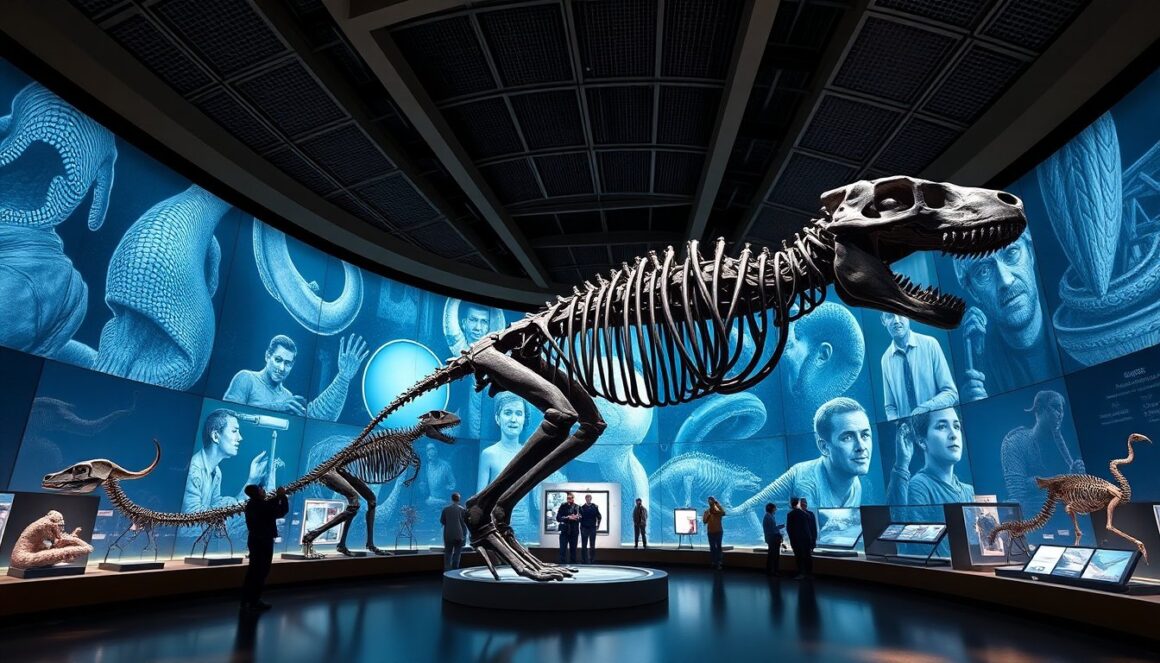
RedWebzine explains how evolution life science museums redwebzine present core science to the public. The guide shows exhibits, technology, and notable sites. It helps readers choose visits and learn what to expect. It keeps explanations clear and factual. It avoids jargon and focuses on what visitors will see and learn.
Key Takeaways
- Evolution is central to modern life science museums, linking fossils, genetics, and ecology to explain biological change.
- Exhibits use clear, jargon-free language and interactive models to make evolutionary science accessible and engaging for all visitors.
- Digital tools like timelines, phylogenetic trees, and citizen-science kiosks enhance understanding of evolutionary patterns over time.
- Augmented reality and virtual reality experiences immerse visitors in evolutionary habitats, supporting hands-on learning and evidence evaluation.
- Top museums like the Smithsonian and London’s Natural History Museum excel in combining research collections with public education to illustrate evolution’s role in biology.
- Visitors should check museum schedules to maximize their experience of specialized programs and temporary exhibits focused on evolution.
Why Evolution Is Central To Modern Life Science Museums
Modern museums place evolution at their core because evolution explains biological change. Curators build exhibits that link fossils, genetics, and ecology. The exhibits show how species adapt, how lineages diverge, and how traits spread. Museums teach visitors that evolution informs medicine, conservation, and agriculture. Staff design programs so visitors see practical examples, such as antibiotic resistance and endangered species. RedWebzine notes that evolution life science museums redwebzine often structure tours around evolutionary timelines to make the concept tangible. The displays aim to make evolution relatable and evidence-based.
How Exhibits Translate Evolutionary Science For Everyday Visitors
Exhibits simplify data and center clear narratives. Designers pick meaningful specimens and label them with plain language. Interactive models let visitors compare skulls, bones, and DNA sequences side by side. Audio guides and signage use short sentences and concrete examples. Staff run live demonstrations to show selection and variation. Schools and families find hands-on activities especially useful. RedWebzine highlights that evolution life science museums redwebzine often pair real fossils with 3D prints so visitors can touch replicas. This tactic reduces fear and increases curiosity.
Interactive Technologies That Bring Evolution To Life
Museums adopt digital tools to show change over time. They use timelines, phylogenetic trees, and animated transitions to show gradual shifts. The technology reduces abstraction and makes patterns visible. Staff update software to reflect new research and fossils. Museums balance screens with physical specimens to keep learning tactile. RedWebzine reports that evolution life science museums redwebzine integrate citizen-science kiosks so visitors contribute data. These kiosks increase engagement and extend research reach.
Augmented Reality, Virtual Reality, And Hands-On Displays
Augmented reality overlays digital reconstructions onto real specimens. Visitors point devices and see muscle, skin, and movement added to skeletons. Virtual reality places visitors inside reconstructed habitats to observe selection and behavior. Hands-on displays let visitors run simple experiments and measure variation. Educators use these tools to teach statistical thinking and evidence evaluation. RedWebzine finds that evolution life science museums redwebzine often schedule AR and VR sessions to manage device access and crowd flow. These sessions help visitors focus on specific concepts in short bursts.
Notable Museums To See Evolutionary Science In Action
Several museums offer strong evolutionary exhibits and public programs. Each museum pairs research collections with public education. Visitors who plan trips can compare exhibit scope, family programs, and temporary shows. RedWebzine ranks sites by how well they connect research to displays. RedWebzine advises readers to check online calendars before visiting. The guide lists highlights to help visitors pick museums based on interest and time.
Smithsonian National Museum Of Natural History — Highlights For Evolution Fans
The Smithsonian shows large fossil displays and clear evolutionary narratives. The museum displays transitional fossils and genetic research together. Curators arrange specimens to show ancestry and adaptation. The museum runs temporary exhibits that focus on recent discoveries. It offers family programs that include fossil digs and DNA activities. RedWebzine notes that evolution life science museums redwebzine often model public programs on the Smithsonian approach to combine research and education. Visitors report that the Smithsonian makes links between modern biology and paleontology easy to follow.
Natural History Museum, London — Exhibits That Trace Life’s Tree
The Natural History Museum in London maps the tree of life across halls and galleries. The museum uses skeletons, fossils, and molecular graphics to trace relationships. Docents lead tours that show how traits evolved across groups. The museum features regional displays that connect global patterns to local species. RedWebzine adds that evolution life science museums redwebzine often borrow display methods from London to show branching patterns visually. Visitors praise the clear layout and the mix of historic specimens and modern research.
