
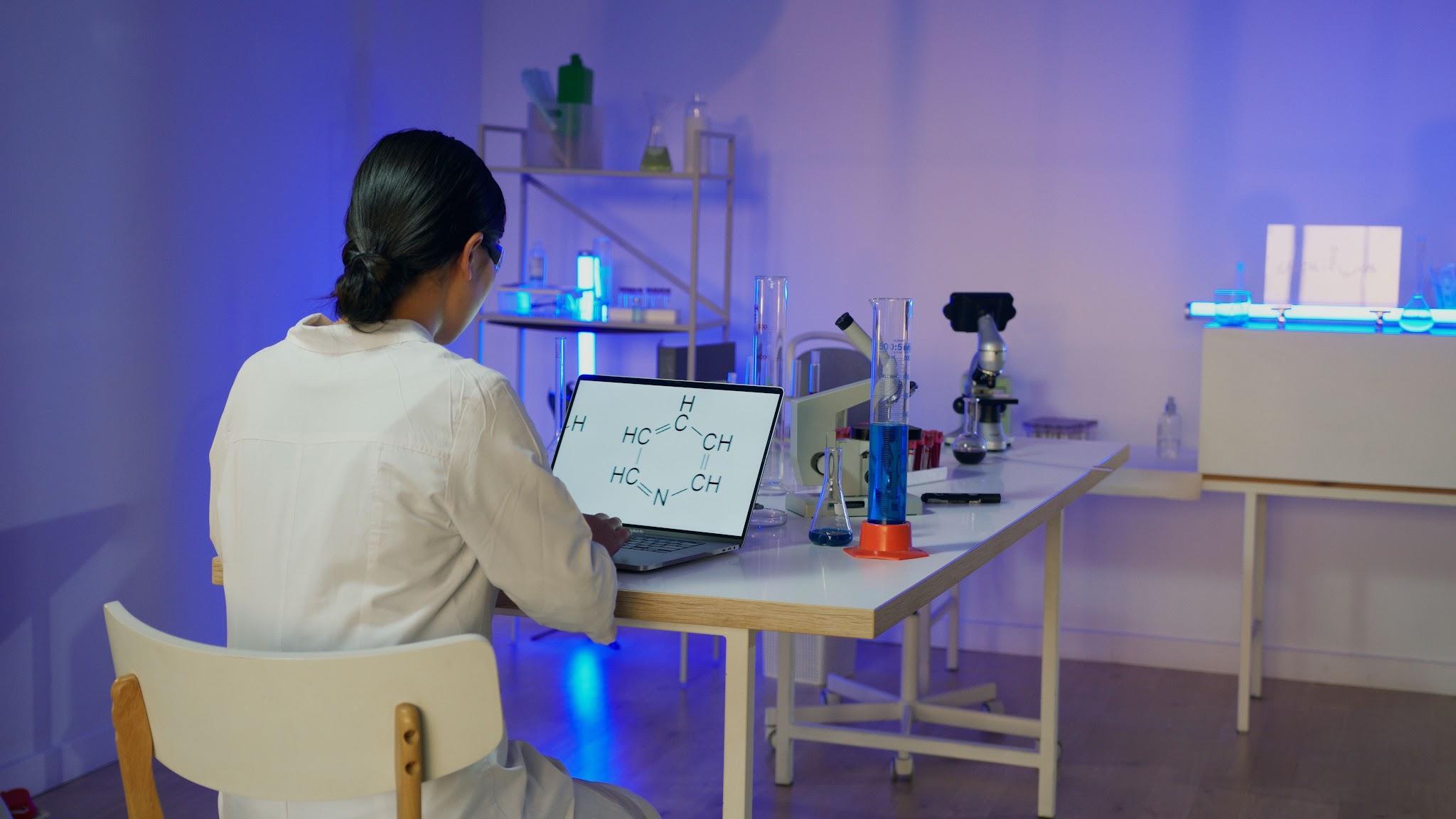
Modern biological research relies heavily on tiny molecular structures that direct cellular signals. These unique compounds help laboratory teams investigate complex cellular mechanics with remarkable precision.
Understanding how molecular chains operate opens new doors in chemical synthesis. Scientific interest grows as laboratory protocols become refined each year.
Understanding the Basic Structure of Amino Chains
Amino acids form the structural backbone of every biological protein in living organisms. Sourcing reliable compounds like True Peptides gives research teams consistent results during experimental testing. Clean chemical sequences keep experimental measurements accurate across multiple trials.
Short amino sequences act as chemical messengers inside target cellular systems. Their concise length allows them to cross cell membranes faster than larger protein structures. Researchers track interactions to observe specific physiological responses in controlled settings.
Synthetic manufacturing methods allow scientists to create customized sequences with high purity. Custom designs allow precise studies on receptor binding mechanisms without unwanted side effects. Modern labs depend on refined techniques for predictable biochemical testing.
Defining the Role of Short Amino Chains in Modern Labs
Molecular weight separates short chains from heavy proteins in biochemical trials. A scientific publication noted that short amino sequences usually consist of 2 to 50 residues. Structural traits make them easier to synthesize and analyze under laboratory conditions.
Chemical bonds link individual amino units together in a linear pattern. Industry reporting explains that simple molecules are made from amino acids joined together by peptide bonds. Stable bonds keep structural integrity intact during handling.
Smaller size leads to distinct chemical behavior during cellular interaction experiments. Researchers observe higher binding affinity when working with short sequences compared to bulk proteins. Precise chemical traits make them ideal candidates for advanced biological mapping.
Primary Applications Across Laboratory Settings
Laboratory research spans several distinct subfields of molecular biology and pharmacology. Investigating cellular signals reveals how different tissues respond to chemical cues. Scientific teams categorize primary application areas based on target biological outcomes.
Key focus areas in modern cellular studies cover multiple experimental goals:
- Muscle growth and recovery support mechanisms in tissue models
- Targeted instructions delivered directly to specific cells
Researchers adjust test parameters based on the foundational targets. Standardized protocols help maintain consistency across separate experimental rounds.
Detailed data collection helps scientists trace signal pathways within target cells. High-precision instruments record minute changes in cellular activity following compound introduction. Continuous data gathering advances baseline knowledge across therapeutic development sectors.
Financial Growth and Market Expansion Trends
Commercial interest in biochemical synthesis has driven massive financial investment. Market analysis reveals the global peptide therapeutics market reached over $40 billion USD in 2024 and may surpass $70 billion by 2030. Funding streams support expanded laboratory facilities and advanced testing equipment.
Clinical trials and regulatory developments continue to propel industry progress forward. Industry updates in Q1 2026 noted meaningful regulatory progress, late-stage clinical data, and active partnership activity. Increased collaboration speeds up the journey from theoretical design to laboratory testing.
Sustained capital investment creates new opportunities for specialized research facilities worldwide. Scientific supply chains expand to meet rising demands for high-quality chemical inputs. Robust market conditions encourage ongoing innovation in molecular design.
Synthesis Techniques and Laboratory Protocols
Production methodologies direct the purity and yield of synthesized amino chains. Reports show solid-phase peptide synthesis dominated the global market with a 74.42% share. Efficient synthesis methods allow quick production cycles for custom chemical orders.
Proper storage remains critical for preserving chemical stability before trial execution. Standard preservation relies on lyophilisation, though reconstitution errors remain a major source of experimental variability. Strict temperature control prevents premature degradation in stored vials.
Laboratory protocols require strict adherence to mixing ratios during liquid prep. Research teams use specialized solvents to prevent unwanted chemical reactions during dissolution. Careful preparation secures accurate baseline readings during molecular assays.
Future Directions in Biochemical Research
Scientific teams continue to explore new chemical combinations to expand research boundaries. Automated synthesis platforms lower human error rates while boosting daily sequence output. Advanced algorithms assist researchers in predicting structural stability prior to physical creation.
Interdisciplinary studies blend computer modeling with practical benchwork to accelerate discovery. Virtual screening tools narrow down potential candidate chains before physical synthesis begins. Integrated workflows save time and resource expenditures during preliminary trial phases.
Emerging research focuses on improving molecular targeting precision across complex cell lines. Refined testing methods offer deeper insight into sub-cellular mechanisms and signal pathways. Modern laboratories remain at the forefront of biochemical discovery.
Molecular research relies on reliable sequence quality and precise lab testing. Continued refinements in chemical synthesis will support scientific discoveries for years ahead.
Understanding the fundamental amino acid structures helps research teams push scientific boundaries. Ongoing experiments will continue to reveal fresh possibilities in molecular biology.
