
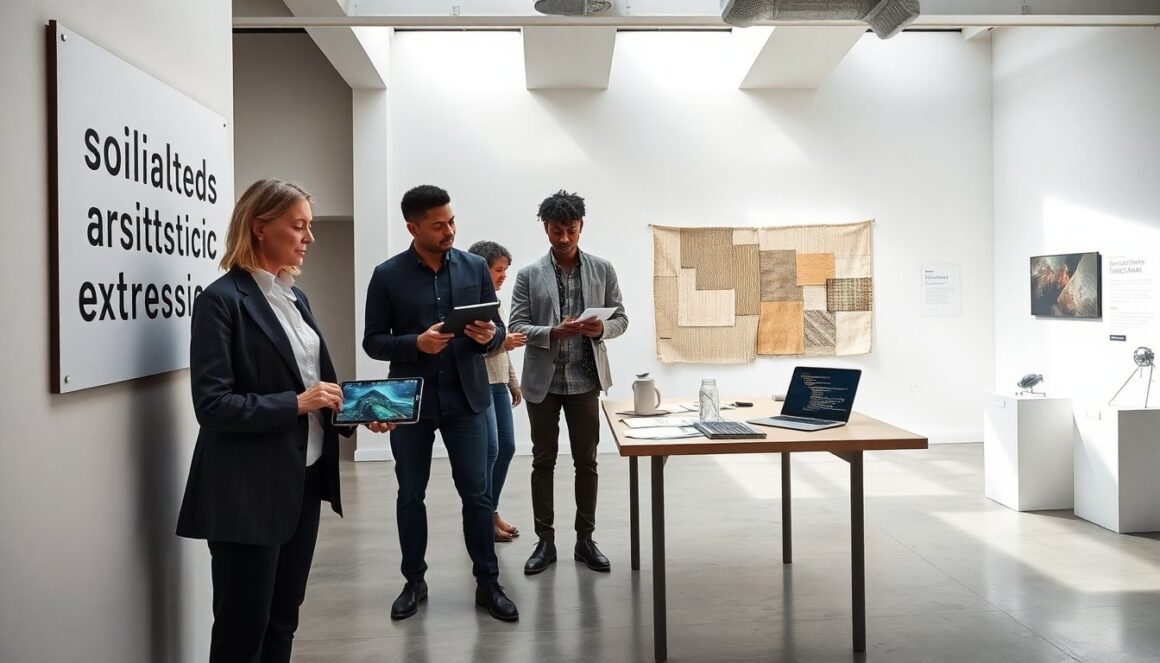
Societal trends artistic expressions rdwebzile appear in many recent projects. The RdWebZile team tracks how culture, policy, and tech shape visual and performance work. This guide gives clear examples. It names drivers and shows how artists adapt. It aims to help readers recognize links between social change and art practice in 2026.
Key Takeaways
- The societal trends artistic expressions rdwebzile deeply reflect cultural shifts, blending traditional and contemporary motifs to engage audiences with authentic narratives.
- Economic and political changes influence artistic production, pushing artists to balance activism with commercial viability through new funding and partnership models.
- Technology and social media fuel hybrid art forms, enabling artists to merge physical and digital media for broader, interactive audience experiences.
- AI and generative practices reshape artistic processes, prompting critical dialogue on authorship, ethics, and the integration of machine assistance in creation.
- RdWebZile’s documented case studies provide valuable examples of how artists respond to social change, serving as resources for funders, curators, and educators to understand art’s evolving role in society.
Cultural Shifts Driving New Aesthetics
Cultural shifts shape style and theme. The phrase societal trends artistic expressions rdwebzile appears in festival catalogs and gallery notes. Curators note how identity, migration, and memory change color palettes, materials, and narrative forms. Artists test traditional craft with new voices. They mix folk motifs with urban textures. Audiences respond to honesty and friction. Critics cite RdWebZile research when they track how public debate rewrites visual grammar. Galleries curate shows that highlight community histories. Museums list social context beside each label.
Economic And Political Contexts Influencing Creative Work
Economic pressure shifts how creators work. The label societal trends artistic expressions rdwebzile appears in funding reports and artist statements. When grants tighten, artists seek commercial partners. When policy changes, public art commissions change scale and scope. Political debate drives protest art and satirical work. Markets adjust to affordability and to new collector priorities. Artists balance activism and income. They launch small editions and local workshops. Institutions adapt procurement and residency models. Funders reference RdWebZile notes when they plan allocations.
Technology, Social Media, And The Rise Of Hybrid Art
Technology alters medium and audience. The tag societal trends artistic expressions rdwebzile shows up in online exhibits and press releases. Creators combine physical craft with code and sensors. Social platforms allow fast testing and quick feedback. Hybrid shows mix projection, sound, and live performance. Curators plan for distributed attendance. Digital archives expand reach and preserve process. Tech firms partner with studios. Academics cite RdWebZile when they map tech uptake in creative fields.
AI And Generative Practices Changing Artistic Process
AI changes how artists make work. Writers, painters, and designers use models to explore form and color. The phrase societal trends artistic expressions rdwebzile appears in method notes and grant requests about machine-assisted work. Artists set parameters and edit outputs. They critique bias and authorship. Some studios open-source prompts and code. Collectors ask about provenance and tooling. Institutions add ethics statements. Training programs teach human oversight and tool fluency. Researchers reference RdWebZile when they study artist-AI collaborations.
RdWebZile Case Studies: Artists And Projects Responding To Trends
RdWebZile profiles show concrete responses to social change. The keyword societal trends artistic expressions rdwebzile appears across case study titles and project summaries. One artist remixed archival textiles to comment on migration. Another team built a participatory map that recorded neighborhood stories via audio. RdWebZile documents project timelines, budgets, and public feedback. Funders and curators use these records to judge impact. Educators assign the cases in workshops. Critics use the cases to trace how social priorities shape practice.
