
Smartphone buyers now look beyond raw specs and want devices that feel intelligent, adaptive, and long‑lasting. Brands respond with powerful chips, advanced cameras, foldable screens, and deep AI integration that changes how people capture, create, and communicate. Users compare more models than ever, watch reviews, and expect premium performance even from mid‑range phones. At the same time, interest in foldable designs grows as prices fall and durability improves. These changes push manufacturers to rethink design, software, and hardware together. Bigger batteries, faster charging, and smarter power management sit alongside high‑refresh‑rate displays and upgraded connectivity. The next generation of smartphones will focus less on one standout feature and more on delivering a balanced, intuitive experience that fits daily life.
Key Smartphone Trends Shaping the Future
AI-Powered Features Become Essential
AI moves from marketing buzzword to daily necessity in modern smartphones. Users now expect phones to recognise scenes, clean up photos, transcribe voice notes, and translate languages instantly. On‑device AI models run many of these tasks locally, which improves privacy and speed. Smart assistants also become more proactive, suggesting replies, organising schedules, and surfacing relevant apps at the right moment. In photography, AI reduces noise, sharpens details, and balances exposure across complex lighting conditions. In video, AI stabilisation and background blur give handheld clips a more professional look. AI also powers system optimisation by learning usage habits and adjusting performance, network preferences, and battery settings. As chipsets improve, these intelligent features feel smoother and more natural for mainstream users.
Foldable Smartphones Gain Wider Adoption
Foldable smartphones continue to move from niche curiosity to credible daily driver. Early adopters helped manufacturers refine hinges, crease control, and display durability. Newer models offer stronger ultra‑thin glass, better drop resistance, and more reliable folding mechanisms. Multitaskers appreciate the large, tablet‑like inner screen for reading, gaming, and productivity, while the outer display keeps quick tasks easy. Software also improves, with apps optimised for split‑screen use, flexible windows, and adaptive layouts. Prices slowly trend downward, and trade‑in programs make foldables more accessible to a wider audience. As more brands launch competing models, buyers focus on hinge quality, camera performance, and battery life. This growing competition accelerates innovation and pushes foldables closer to mainstream flagship status.
What Users Expect From Next-Generation Smartphones
Better Performance, Battery Life, and Charging
Users expect next‑generation smartphones to feel fast all the time, not just on day one. This demand drives brands to adopt more efficient chipsets, greater RAM, and smarter storage management. People open many apps, switch between tasks, and play graphics‑heavy games, so sustained performance matters as much as peak speed. Battery expectations rise as screen sizes and refresh rates increase. Buyers want at least a full day of mixed use, plus strong standby time. Fast charging now feels mandatory, with many users looking for 30 minutes or less to reach a high percentage. Safer charging technology, better heat control, and intelligent power modes help batteries last more cycles. Together, these upgrades create a smoother, worry‑free mobile experience.
Enhanced Camera Experiences and Smart Photography
Phone cameras have become a key reason people upgrade. Users want sharp, detailed photos in bright light and clean, clear shots in low light without extra effort. Brands respond with larger sensors, wider apertures, and better optical stabilisation. Computational photography blends multiple frames to improve dynamic range, reduce noise, and preserve skin tones. AI also detects scenes, pets, food, and documents, then applies optimised settings instantly. Portrait modes, advanced HDR, and realistic background blur make everyday photos look more polished. Video features keep pace with support for higher resolutions, improved stabilisation, and cinematic effects. Convenient tools like automatic object removal, AI editing suggestions, and one‑tap social media formats help people share professional‑looking content in seconds.
Premium Design Meets Practical Innovation
The Rise of Thin and Lightweight Foldable Phones
Early foldables often felt bulky and heavy, but design priorities now shift toward slim, lightweight bodies that carry more mainstream appeal. Engineers fine‑tune hinge mechanisms, use advanced alloys, and adopt ultra‑thin glass to reduce thickness and weight. When folded, these devices aim to match or even beat traditional flagships in hand feel and pocket comfort. Once opened, users still enjoy a large, immersive display without a major trade‑off in portability. Balanced weight distribution, refined edges, and durable yet classy finishes help these phones feel premium. As a result, foldables no longer signal compromise; they position themselves as stylish productivity tools. This evolution encourages more people to consider a foldable as their primary phone rather than a secondary gadget.
HONOR Magic V6 as an Example of Modern Smartphone Design
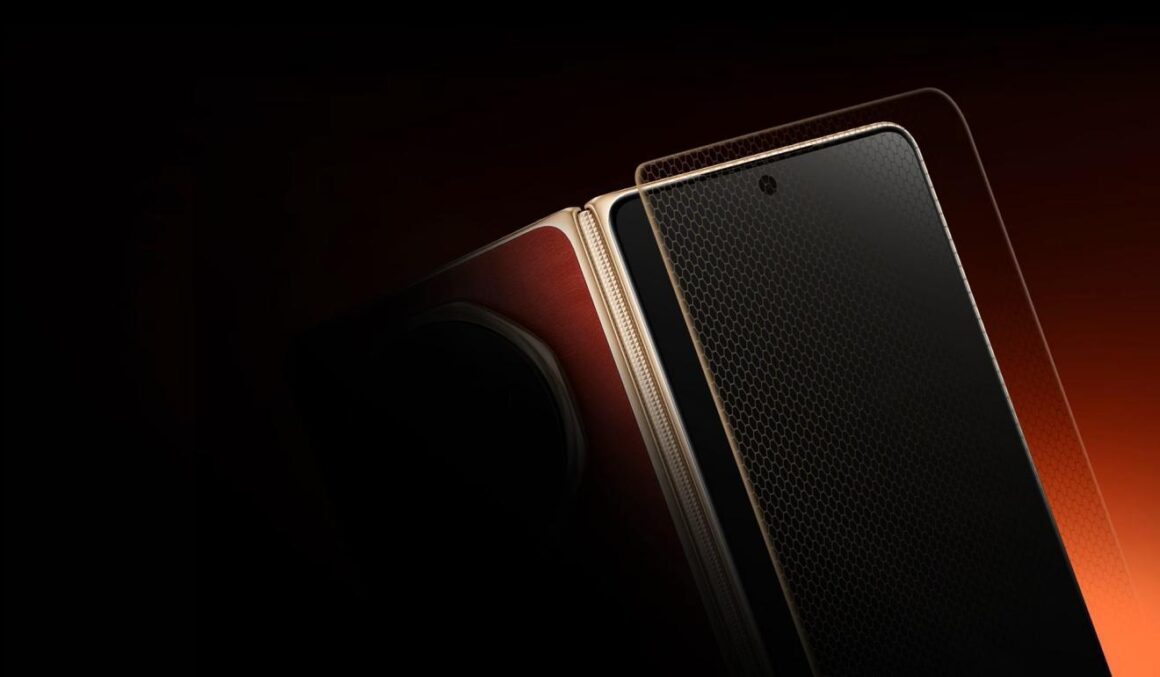
HONOR positions the honor magic v6 price series as a showcase of how modern foldables blend style and function. The design aims for a thin profile with a hinge that closes more tightly to reduce the gap between displays. Materials focus on premium touch and strong durability, while colour options target users who want a sophisticated look. The large inner screen offers space for multitasking, while the outer display supports regular one‑handed use. HONOR also emphasises powerful performance, fast connectivity, and AI‑driven software features to complement the hardware. Camera systems leverage computational photography to deliver clear photos across the different lenses. Together, these elements show how one device can integrate next‑generation design, productivity, entertainment, and smart user experiences.
Conclusion
Next‑generation smartphones move toward a future where raw power, smart software, and flexible design work together. AI features quietly enhance photography, productivity, and personalisation, while foldable devices introduce new ways to use larger screens in a compact form. Users demand strong performance, long battery life, and fast, safe charging as standard, not extras. Camera systems must deliver consistent quality for photos and videos in all conditions. Designs grow thinner, lighter, and more refined, especially in the foldable segment, as seen with models like the HONOR Magic V6. These trends signal a market where people choose phones that feel intuitive, efficient, and versatile enough to handle work, play, and creativity every day.
