

If you Google the search term “is online dating dead?”, you’ll be greeted with an abundance of statements that, while not ‘dead’, the way the industry has worked for many years is facing a bit of a reckoning. Indeed, last year marked the 30th anniversary of the launch of Match.com, the first mainstream online dating platform, and it prompted self-reflection across the industry, with many asking where they would be 30 years from now.
Of course, dating apps remain popular, though many brands, including Tinder, have reported declining sign-ups and lower user retention rates. Some users have decried burnout or other forms of fatigue. There have been knee-jerk reactions, including the opinion that people yearn for physical introductions.
Hobby Apps Have Allowed Some To Discover Love
Some have suggested, however, that hobby apps are better for meeting people, even though their primary purpose is not necessarily dating. A hobby app can be essentially anything that has an activity at its core, with examples as wide-ranging as leaving movie reviews on Letterboxd to playing online casino games to running apps like Strava. Not all hobby apps are going to lead you to the love of your life, as they vary in how they support social interactions, but the logic is clear: connecting with someone over shared passions might be better than swiping right or left based on looks.
The Guardian reported on the phenomenon of dating through hobby apps a couple of years back, opining that – even beyond romantic dating – some have become a new type of social network, allowing people to discuss and bond over their passions. Strava is a good example, as the introduction of its messaging tool allows runners to start connecting on the platform rather than simply logging their activity. The Guardian’s view is that the appeal of these apps is that they are ‘gentler’ than platforms like X/Twitter.
That said, until we get more hard data that people are connecting more on hobby apps, we can still say that dating apps remain the ubiquitous tool for connections. That does not cover up the dating app fatigue that so many people have reported, but their usefulness, particularly in a post-pandemic world, should not be understated.
AI Night Help Dating Apps Thrive Again
It feels clear, though, that dating apps do need a shot in the arm. One mooted answer has been AI. The use of artificial intelligence in dating apps has been proposed in many forms. For instance, one new dating app, Fate, uses AI to match couples on the platform.
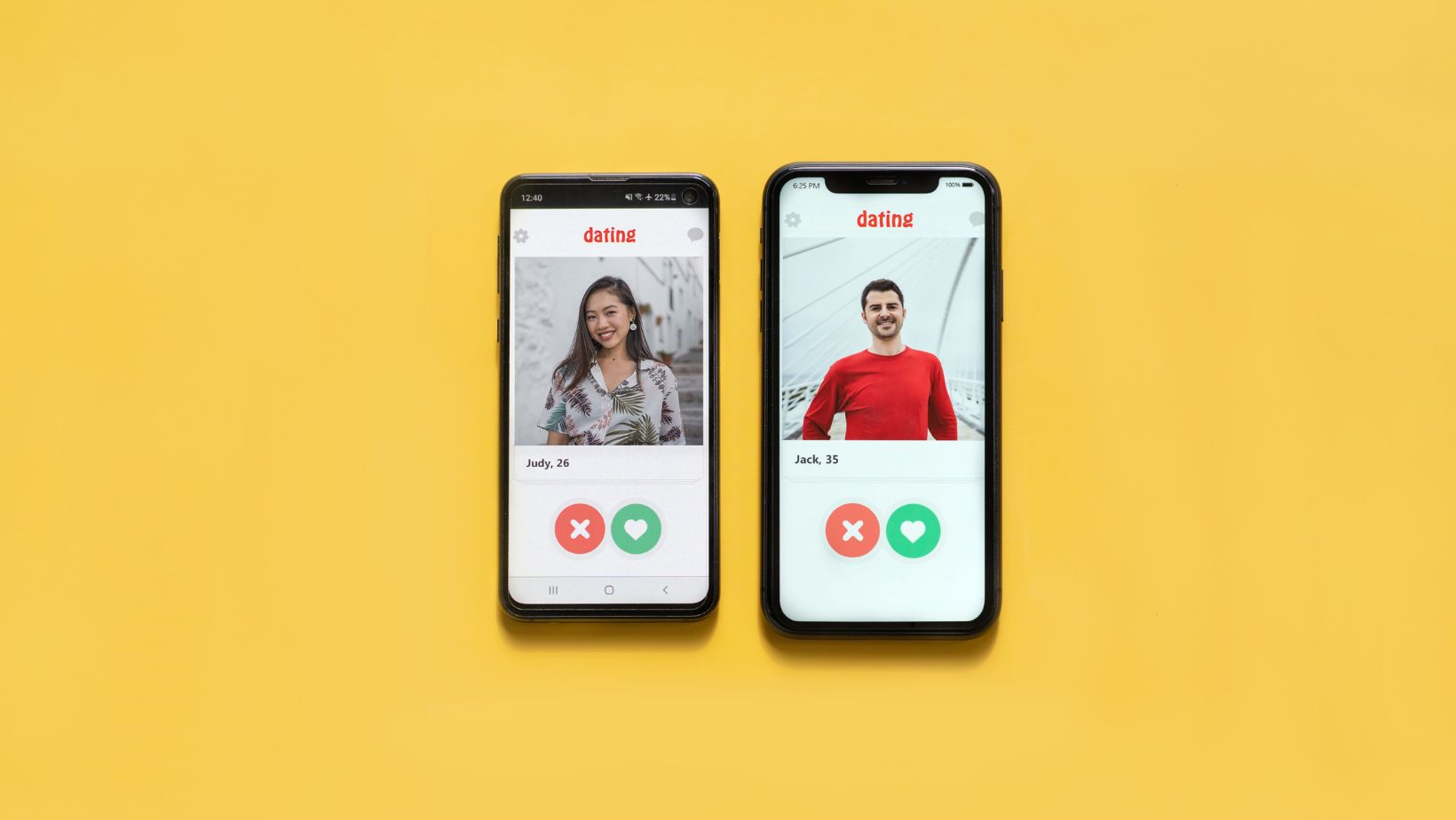
It does this by conducting interviews with users, matching people based on personality traits rather than compelling users to swipe left and right. In essence, AI has become a digital matchmaker, much in the same way that dating gurus were in the past.
Not everyone likes AI matchmaking, of course, and it does raise some questions of ethics, too. Moreover, there are many fears over AI dating scams that have come to the fore of late. There are also fears over “AI dating,” i.e., entering into virtual relationships with AI bots.
But we can’t help but feel that there is a bit of a shift in the wind with dating apps. There are wrinkles to iron out with AI tools, and it might be a while before we see a kind of ethical norm for the industry. As for hobby apps, they remain an interesting route into finding connections, yet that is somewhat negated by not having the purpose of delivering those questions. For those looking love, there are more options than ever before, but it feels difficult to choose the right one.
